
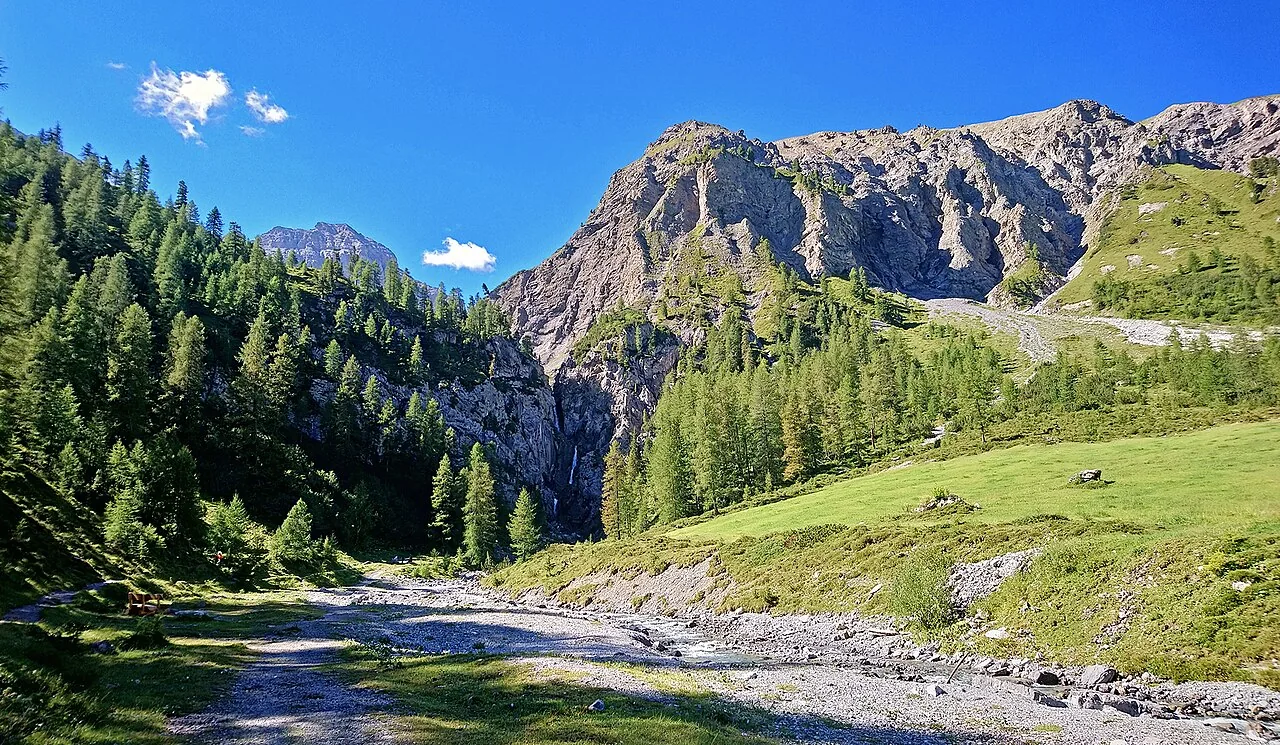
A Davos hiking trip outside the busiest season can involve waterproof clothing, boots, poles and uncertain activity plans rather than skis. The transfer still needs a precise passenger and luggage brief. Do not assume that quieter dates mean every mountain service operates or every accommodation entrance has the same arrangements as in high season. Separate the road arrival from the activities you may choose after reaching the destination.
Pack for the airport and the road separately
List hiking backpacks, walking poles, boot bags and ordinary suitcases by packed piece. Check the airline’s current requirements for the equipment you intend to fly with, especially long or rigid items. Give dispatch the dimensions of unusual cases rather than describing the group as travelling light. A large framed backpack can require more defined space than its weight suggests, and loose equipment should not be relied on to fill gaps in the passenger area.
Check mountain services for the actual dates
Davos Klosters publishes seasonal operating information for its mountain transport. A hiking route that uses a lift in one part of the year may need a different plan at another time. Verify the current arrangements with the operator and activity organiser shortly before travel. The airport transfer does not guarantee a mountain connection, and the driver should receive a confirmed road address rather than an activity endpoint whose access has not been checked.
If the group brings equipment for more than one possible activity, declare the whole load even when only one activity will be chosen each day. Alternative plans do not make unused equipment disappear from the airport journey. The vehicle assessment must cover everything packed.
Confirm accommodation arrival arrangements
Outside peak periods, reception or key collection may follow a different routine. Ask your host when and where you can enter and whether luggage can be left before room access. Save a contact number that will work during your arrival window. If the key handover requires another address, request that stop in the transport itinerary. A general statement that the property is in Davos does not identify the correct entrance for unloading.
Keep the first outing adaptable
Rather than tying the airport arrival to a demanding timed activity, decide what can be changed if the flight or baggage is delayed. Confirm any guide meeting directly and use official local information for current mountain conditions. A private road transfer is not an assessment of trail suitability. Keep boots, layers and the first day’s essentials accessible if needed, while leaving the main luggage closed until you reach an appropriate place to unpack.
Prepare a clean return load
Before leaving, pack boots and outdoor equipment so they can be handled without spreading mud or moisture to other luggage. Recount bags after purchases or equipment returns and inform dispatch of changes. For Zurich Airport, check the airline’s equipment and check-in process rather than assuming a backpack travels like ordinary cabin baggage. Ask Airportcab for the fare for the final agreed route, including any requested stop, and retain the written confirmation.
Questions about this journey
Are mountain lifts open throughout the shoulder season?
Do not assume this. Check the operator’s information for the actual travel dates.
Should walking poles be declared?
Yes, describe their packed length and check the airline’s rules separately.
Can a trailhead be the airport drop-off?
Request a precise lawful road-accessible point and have its suitability confirmed.